
How to Choose a Summer School in London | look past the glossy brochure
Choosing a summer school in London should be exciting.
It should also be taken seriously.
London is one of the best cities in the world for teenagers to study, explore, make friends and grow in confidence. It’s a right of passage, everyone should spend some time in London. I did, it was meant to be a year but ended up 20. Don’t worry parents- we pick up and drop off at Heathrow so your children will not do as I did, not yet anyway!
But not every London summer school gives students the same experience. Some will suit one family perfectly and be completely wrong for another. Some are built around host families. Some involve commuting from university or student residences. Some are more focused on English language lessons. Some are more academic. Some have beautiful marketing.
And some have real substance behind them.
At Academic Summer, we believe a summer school should do more than keeping students busy. It should build confidence, develop communication skills, encourage critical thinking, strengthen study skills and help teenagers become more independent. Help them to be a step closer towards who they want to be. It should be fun, yes, but it should also be inspiring, rewarding and genuinely useful. It’s an investment, not expensive baby-sitting club.
So before you choose a summer school in London, it is worth asking a few proper questions.
I have spent several summers at DLD College London with Academic Summer, but my connection goes further back than that. Before DLD became the incredible London campus it is today, I was working as registrar and was involved in those early conversations about what international students really needed. We knew we needed boarding. We knew we needed something central. We knew families wanted safety, structure, quality and a real London experience.
I can still remember driving around London looking at accommodation options and possible sites, trying to imagine what would work. At the time, I do not think I realised quite how big the project would become. Looking back now, I feel very proud to have been even a small founding part of it, even if nobody walking through the doors today would know I had any input at all.

And I will say this quite plainly: I think we have, hands down, the best summer school location in London.
But you should not just take my word for it. You should know what to look for.
1. Location matters more than people realise
London is not just one place. A summer school can say “London” and still be far away from the London most families are imagining.
So ask where your child will actually be. Are they near the landmarks? Are they spending half their time travelling? Are they living in the city or just visiting it occasionally?
At Academic Summer at DLD College London, students are right in the heart of the capital. They are close to Westminster, the Thames, the Houses of Parliament, the Southbank and so many of the places people fly across the world to see. They are not tucked away on the edge of London and bussed in for the occasional photo opportunity. They are living the city.
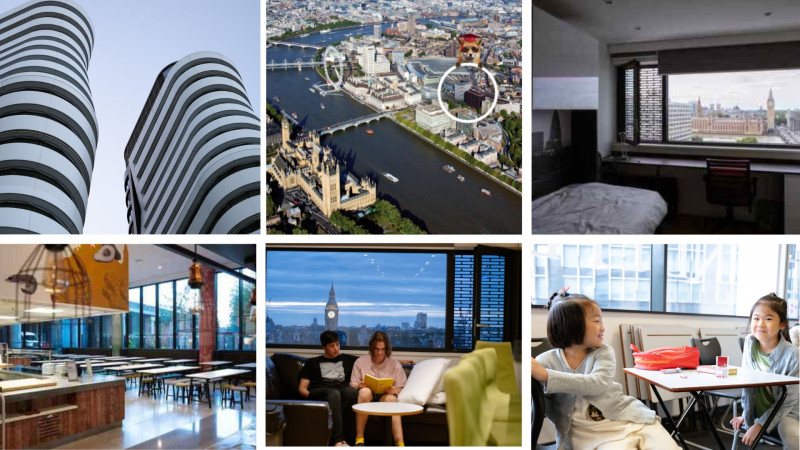
That makes a difference.
Of course, some families may want a host family experience. Some students may like the idea of commuting and getting a taste of everyday London life. That is absolutely fine. The point is to know what you are choosing.
For us, the icing on the cake is that DLD gives teenagers the lovely trimmings as well: modern boarding, excellent facilities, classrooms, dining, accommodation and supervision all under one roof. In a city as busy as London, that is not a small thing.
For families looking for a study in London or study in the UK experience this is a very strong starting point.
But the building is only the beginning.
2. Look at who is actually teaching
A good summer school is not made by a shiny website. It is made by the people in the classroom.
This is where parents really need to look beneath the surface. Who is teaching your child? Are they qualified? Do they understand teenagers? Do they understand education? Are they simply filling time, or are they building something meaningful?
At Academic Summer, we use CLIL: Content and Language Integrated Learning. That means students learn real subject content while developing their English and communication skills at the same time. They are not just sitting in a language class repeating phrases from a textbook. They are learning through subjects, projects, discussion, problem solving and presentation.
That is how students build confidence. That is how they practise communication. That is how they develop the life skills they will need long after summer has ended.
And that means we need the right teachers.
This is not a criticism of EFL teachers. We love EFL teachers. Many are brilliant. But CLIL needs subject specialists. If students are learning science, entrepreneurship, engineering, medicine, humanities, maths, AI skills or the arts, they need teachers who understand those subjects properly and can bring them to life.
That is the difference between a programme that looks academic and one that actually is academic.
3. Ask whether the people running it understand education
This matters.
A summer school can have a lovely campus, a fun activity list and nice photos of happy students. But who is designing the learning? Who is checking that it makes sense? Who is making sure students are being stretched, supported and understood?
Our academic directors have real backgrounds in education, including experience in international education and universities. Our CEO has a Master’s in Education. And, not to be dramatic, but even I have a Master’s in Education with distinction, no less.
So no, we are not just a bunch of glossy salespeople with a big marketing budget, a friendly smile and a nice-looking brochure.
We care about the learning because we understand the learning.
That is why Academic Summer programmes focus on confidence building, communication skills, study skills, critical thinking, creativity, leadership and innovation. These are not just fashionable words to put on a website. They are the skills teenagers actually need.
4. Check what “academic” really means
The word academic gets used a lot. Sometimes it means a few English lessons in the morning and activities in the afternoon. Sometimes it means exam preparation. Sometimes it means something quite dry and classroom-heavy.
For us, academic does not mean boring. It means purposeful.
Students should be thinking, questioning, debating, creating and applying ideas. They should be learning in a way that feels connected to the real world. They should be encouraged to speak, present, collaborate and take intellectual risks.
That is where CLIL works so well. A student might be improving their English, but they are doing it through entrepreneurship, engineering, science, medicine, AI skills, social studies, creative projects or leadership challenges. They are using English because they need it to communicate something that matters.
That is much more powerful than learning language in isolation.
It also helps students preparing for the next stage of their education. For some, that may mean GCSE preparation, A Level preparation or International Baccalaureate preparation. For others, it may mean getting ready for a British boarding school, an international school, university study or simply becoming more confident in academic English.
5. Look for programmes with real future value
A strong summer school should give kids more than a timetable. It should give them a sense of possibility.
That might be through Entrepreneurship, where students learn how to develop ideas and present them. It might be through Get Ready for Medicine or Get Ready for Engineering, where students explore future career pathways. It might be through leadership projects, innovation challenges, AI skills or our Future Gen Study approach, helping students get ready for the future rather than just memorise information for today.
This is what makes a summer experience genuinely rewarding. Students are not just filling a few weeks. They are discovering what they enjoy, what they are good at and what kind of learner they might become.
That is powerful.
6. Do not underestimate boarding, safety and supervision
For international families especially, boarding is not just a nice extra. It can be the thing that makes the whole experience work.
Parents want to know their child is safe, supported and properly looked after. They want to know there is structure. They want to know who is responsible in the evenings, at meals, on trips and when a student feels homesick.
So when comparing summer schools, ask practical questions.
Is it a safe camp? Is it properly supervised? Are students staying on campus? Are classrooms and accommodation in the same place? Who is looking after them outside lesson time? What happens in the evenings? What happens if a student is tired, worried or overwhelmed?
Having everything under one roof at DLD is a huge advantage. Students are not moving between separate accommodation and classrooms every day. Staff know where they are. The day has rhythm. The environment feels secure and contained, while still being right in the middle of London.
That combination is rare.
Central London gives the excitement. The boarding structure gives the reassurance. Our experience knows what is needed (and I could write a very interesting book about that!)
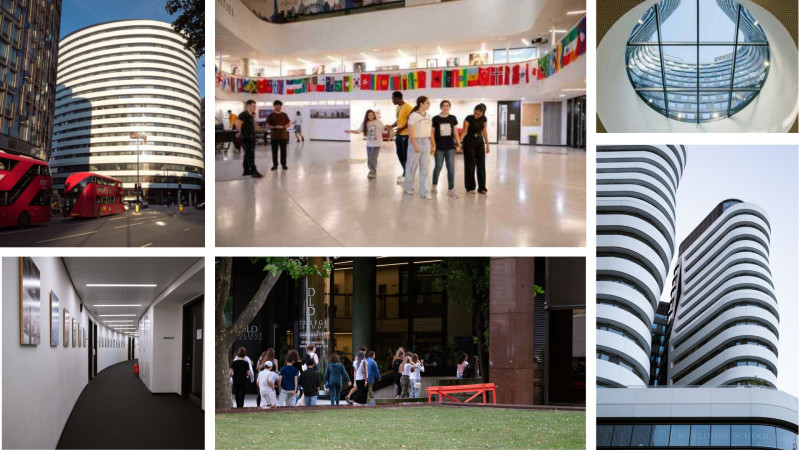
7. Remember that summer should still feel like summer
A summer school should be academic, but it should not feel like punishment.
Students need fun. They need friendship. They need laughter. They need space to grow up a little. They need the chance to experience a new city, try new activities and meet people from around the world.
For some students, that might mean adventure learning and outdoor activities. For others, it might mean a football camp, creative projects, leadership challenges, cultural excursions or simply having a digital detox and a more screen-free summer.
In a world where teenagers are constantly online, there is something very special about seeing them connect properly: talking, laughing, exploring, solving problems and becoming braver in real life.
That is where the magic often happens.
8. Compare your options properly
There are many reasons families choose Academic Summer and the wider Academic Camp experience. Some families want to study in London. Some want to study in the UK more broadly. Others may be looking at international options and comparing opportunities to study in Canada or study in Spain (watch this space!)
The right choice depends on the child.
Some students want a quieter campus. Some want a host family. Some want a traditional language school. Some want a busy city experience. Some want academic challenge. Some want independence. Some need more support. Some are ready to fly.
The important thing is to be honest about what your child needs.
If they want London, proper boarding, strong academics, qualified teachers, subject-based learning, international friendships and a location that really is in the heart of the capital, then Academic Summer at DLD College London is very hard to beat.
I know I am biased. I have been part of the journey. I have watched students arrive nervous and leave taller, louder, braver and more themselves. I have seen the building come alive every summer with students from all over the world.
And I still get that little feeling when I walk in and think: yes, this is exactly what we were looking for all those years ago.
A great summer school should look good from the outside.
But more importantly, it should stand up when you look closely.